Our Blog
Galley-Style Kitchen Meaning, Layout & Designs
especially for small spaces and narrow kitchens. Known for its parallel walls, streamlined workflow, and clever use of storage, the galley-style kitchen continues to be a popular choice in modern homes and renovations. In this complete guide, you will learn the meaning of a galley kitchen, explore different galley kitchen layout options, understand the pros and cons, and discover smart galley kitchen ideas that will help you make the most of every centimetre.
What is a Galley-Style Kitchen?
Galley kitchens provide a practical solution for creating a streamlined cooking environment by positioning appliances and cabinets along two parallel walls of the kitchen. The galley kitchen is highly efficient because it compactly utilises available kitchen space, creating a clear walkway between two rows of cabinets. This layout is inspired by the design principles of a naval galley, which required compact, highly functional layouts. These principles remain relevant in modern residential design.
The narrow galley layout, with cabinet banks on both sides forming an unobstructed access path, makes the galley-style kitchen one of the most space-efficient ways to organise kitchen appliances, storage, and the cooking space. By reducing unnecessary movement, the galley layout improves efficiency and usability. For kitchen renovation, Brisbane galley kitchens are especially popular in apartments and small houses.
In a typical galley-style kitchen, all essential elements are positioned for quick access while maximising usable floor space in the home or apartment.
Understanding Galley Kitchen Layout
Galley kitchen layouts can be of three types:
Classic Galley Layout
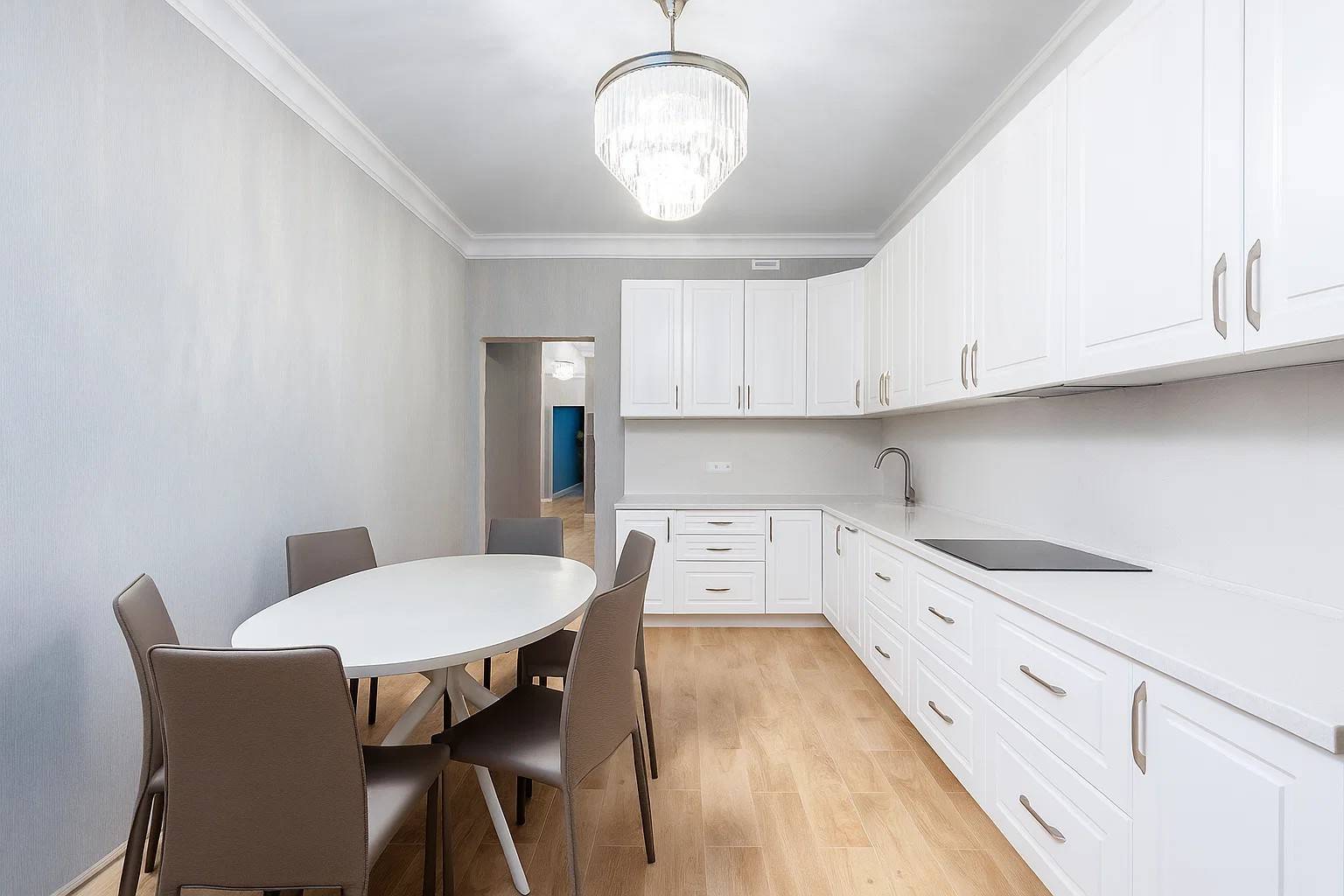
The traditional galley kitchen layout consists of two straight runs along two parallel walls, often with one end closed off. This galley kitchen arrangement ensures everything is close at hand and stored for easy access, accommodating the needs of different cooks.
With the sink, cooktop, and fridge arranged to form a work triangle, the galley kitchen layout remains compact yet functional, even with minimal space. Well-planned upper and lower cabinets, base cabinets, and wall cabinets provide ample storage space while allowing easy movement.
This configuration works best in homes where the kitchen is its own room rather than part of an open-plan layout.
Open Galley Layout (to Dining/Living)
An open galley kitchen removes one end wall or visually connects to other areas, such as the dining area and living space. This approach is increasingly popular in open concept home designs.
By opening the kitchen to the adjacent living space, foot traffic flows more freely and the kitchen feels less confined. An open-concept galley kitchen often includes kitchen islands on one or both ends, offering additional seating, counter space, or a casual dining spot.
This type of kitchen space allows more light to enter while maintaining a visual connection with other rooms in the home.
Modern Galley Layout Variations
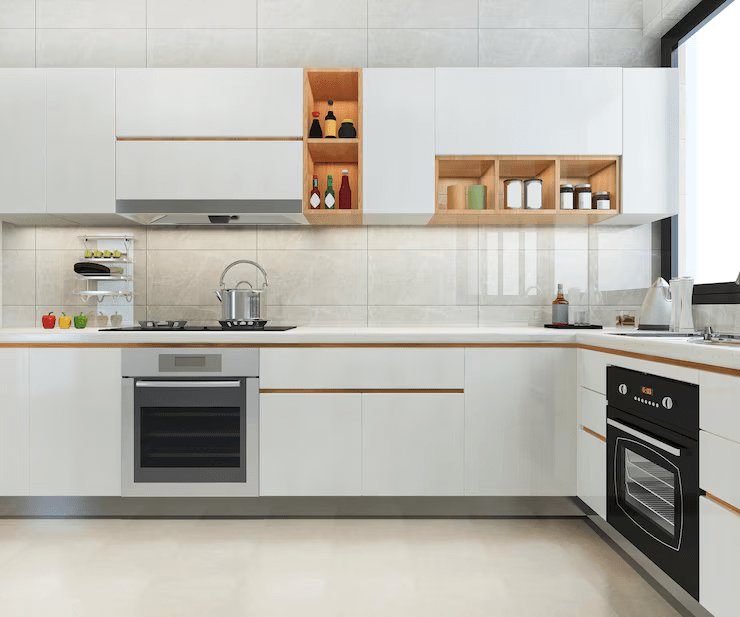
Modern galley kitchen design ideas focus on clean lines and contemporary styling. Some layouts feature full cabinetry along one wall, while the opposite side incorporates open shelving or lower cabinets only. Other variations include two parallel runs with built-in appliances and sleek finishes.
Built-in cabinetry, vertical storage, and well-designed corner cabinets help maximise valuable space without clutter. These modern galley layouts are ideal for homeowners seeking a balance between style, storage, and usable counter space.
Galley Kitchen Advantages
Common advantages of galley kitchens include:
Budget-friendly
A galley kitchen is often more affordable due to its compact square footage and efficient floor plan. With cabinets lining both sides, storage is maximised without expanding the space. Installation costs are typically lower, making it a practical option for renovations or new builds on a budget.
Space-saving
A galley kitchen is built for small spaces and allows you a more functional use of the limited space. Every piece has been strategically placed to avoid unnecessary items, and the kitchen is efficient even in a narrow kitchen.
Smart use of vertical space and cabinetry helps create storage without expanding the footprint.
Efficient workflow
The compact structure of a galley kitchen supports a highly efficient workflow, keeping appliances and prep areas close — a concept supported in the Bunnings Australia kitchen layout planning guide where efficient placement and the work triangle are highlighted.
Galley Kitchen Disadvantages
Now, let’s take a look at the disadvantages.
Limited Space for Multiple Cooks
In a small galley kitchen, the layout can feel restrictive when more than one person is cooking. The two parallel walls design may become crowded during busy cooking periods.
Can Feel Narrow
Without careful design, a narrow kitchen may feel confined. Dark colours, bulky upper cabinets, and insufficient lighting can exaggerate the corridor effect and make the space feel smaller.
Requires Smart Storage Solutions
In a galley kitchen, smart storage is key. When a kitchen is missing many of those features, like roll out shelves or custom cabinetry and open shelving, clutter can get the best of it and decrease efficiency.
Galley-Style Kitchen Design Tips
Modern galley kitchen layouts focus on functionality and clever use of space — Aust ralian kitchen layout design ideas and optimisation tips highlight keeping appliances within easy reach and ensuring enough clearance for effective workflow.
Follow these tips to enhance your galley-style kitchen design:
Make the Kitchen Feel Roomier
Light colours, reflective surfaces, and good lighting can significantly improve the feel of a galley-style kitchen. Adding windows, glass-front cabinets, and light-coloured splashbacks helps bounce light around the room and visually expand the space.
Clear walkways also improve foot traffic and everyday convenience.
Maximise Benchtop Space
A galley kitchen must be efficient to preserve usable counter space. Choose slimline appliances, keep designs pared back, and avoid overcrowding surfaces. Adding extra prep areas supports daily cooking without increasing floor space.
Choose the Right Sink
Selecting the right sink helps manage dirty dishes and improves workflow. Compact or single-bowl sinks are often ideal for maximising bench space in a galley kitchen design.
Get Your Galley Kitchen Designed by the Pros
Professional kitchen designers know how to transform small cooking spaces into functional and attractive kitchens. Expert planning helps optimise your galley kitchen with improved storage space, smoother workflow, and greater space efficiency.
From choosing the right kitchen cabinets and lower cupboards to maximising floor space, professional guidance ensures long-term success.
Frequently Asked Questions (FAQ)
Why is it called a galley kitchen?
It’s called a galley kitchen because it is reminiscent of that compact cooking space on a ship, not especially squared, but linear and narrow. Shipboard, small spaces facilitated efficient and safe movement for cooks. The same space-saving savviness and efficiency today define galley kitchens.
What is the best layout for a galley kitchen?
The best kitchen layout depends on your home’s floor plan and square footage. Classic two parallel walls layouts maximise efficiency, while open concept designs suit homes connected to dining or living zones.
Are galley kitchens making a comeback?
Galley kitchens are becoming increasingly popular as home sizes shrink. Their space-saving design and modern appeal make them ideal for contemporary living. Homeowners love their space-saving design, streamlined work triangle, and sleek, modern style. With effective storage planning, it makes all of the kitchen appliances accessible at arm’s reach. Galley kitchens are a great design choice for many cooking enthusiasts.
What are the best colour choices for a galley kitchen?
The best colours for a galley kitchen are light and reflective shades. They will not only make the room brighter but also create the illusion of a wider space. Whites, pale cloud gray, and warm neutrals reflect the natural or artificial light without feeling boxed in. These colors also give a clean, classic look that works well in modern galley kitchen designs.
How do I make a galley kitchen feel bigger?
Use light hues, reflective surfaces, good lighting, and smart storage. Reducing bulky cabinetry and keeping surfaces clear creates the impression of more space without compromising functionality.